Birth of Money
Lydian electrum and the dawn of coinage
The story of money begins in western Anatolia around 650–600 BC, where the first coins were struck from electrum — a natural alloy of gold and silver found in the River Pactolus. These tiny, bean-shaped lumps of precious metal, stamped with simple designs, revolutionized commerce.
Full Lydian electrum coins are museum-grade purchases, but Ionian electrum fractions — the world's very first coins — are surprisingly accessible: 1/96 staters cost $80–$200, and 1/48 staters run $100–$300. These are tiny (4–8mm) but authentic pieces from the dawn of coinage.
For early Greek silver, Aegina "turtle" fractions offer another affordable window into the birth of standardized currency, with obols at $75–$200.
Coins in This Collection
3 coins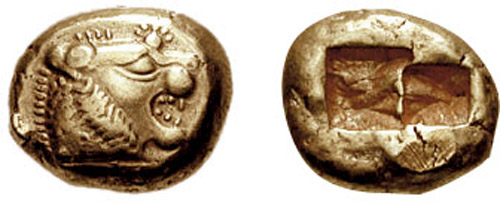
Ionia / Lydia · 650–600 BC
Ionian Electrum 1/48 Stater
One of the very first coins ever made — the dawn of money itself

Kingdom of Lydia · 560–546 BC
Croeseid Silver Half Stater
From the legendary King Croesus — "as rich as Croesus" was no exaggeration

Aegina · 550–480 BC
Aegina Sea Turtle Stater
The first silver coinage of mainland Greece — Aegina's maritime badge