The Catalog
Each coin is an authentic artifact with its own story — browse, discover, and own a piece of history.

Umayyad Caliphate · 696–750 AD
Umayyad Silver Dirham — Wasit Mint
Pure epigraphy — no images, only the word of God in silver
Silver€65.00

Roman Empire · 69 AD
Otho Silver Denarius
The vain emperor who reigned for 91 days
Silver€650.00

Republic of Venice · 1350–1400 AD
Venetian Soldino
The coin that gave us the word "soldier" — Venice's everyday silver
Silver€55.00
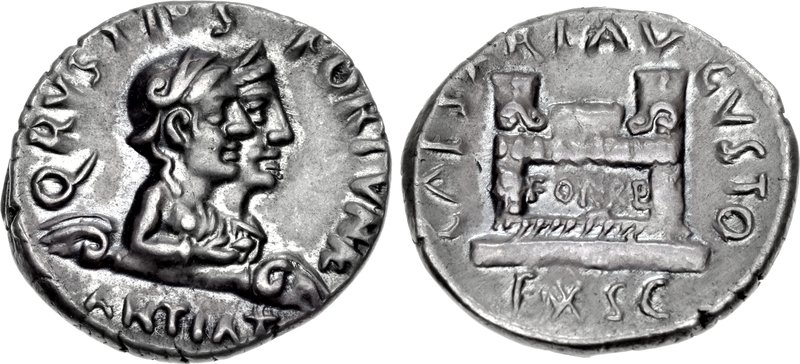
Roman Republic · 211–170 BC
Roman Republic Victoriatus
Jupiter and Victory — the silver coin that preceded the denarius
Silver€65.00

Carthage · 300–264 BC
Carthaginian Tanit Bronze
The goddess of Carthage — Tanit with her sacred horse
Bronze€45.00

Byzantine Empire · 527–565 AD
Justinian I Bronze Follis
The emperor who rebuilt the Roman Empire and codified Roman law
Bronze€55.00
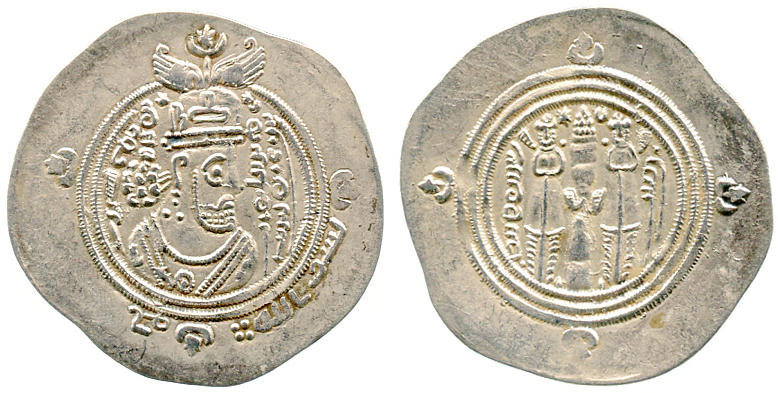
Early Islamic / Sasanian · 650–700 AD
Arab-Sasanian Silver Drachm
The transitional coin — Sasanian imagery meets "In the name of God"
Silver€85.00

Republic of Venice · 1280–1350 AD
Venetian Silver Grosso
The Doge kneeling before St. Mark — Venice's iconic design
Silver€75.00

Republic of Venice · 1380–1420 AD
Venetian Tornesello
Colonial small change — minted for Venice's Greek and Cretan territories
Billon€35.00
Spanish Empire · 1600–1650
Potosí Cob Half Real
Pirate money from the richest mine in history — hand-struck silver from Bolivia
Silver€45.00
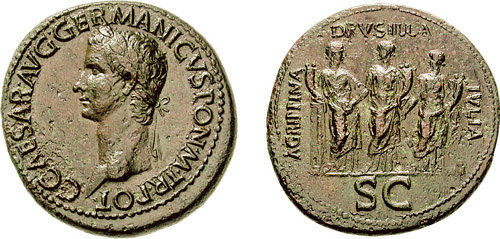
Roman Empire · 37–41 AD
Caligula Bronze As
The infamous emperor — madness or misunderstood genius?
Bronze€180.00

Roman Empire · 41–54 AD
Claudius Bronze As
The stammering scholar who conquered Britain
Bronze€75.00

Roman Republic · 32–31 BC
Mark Antony Legionary Denarius
Struck to pay the legions before the Battle of Actium
Silver€110.00

Roman Republic · 211–190 BC
Anonymous Roma/Dioscuri Denarius
The very first denarius type — Roma and the divine twins on horseback
Silver€95.00
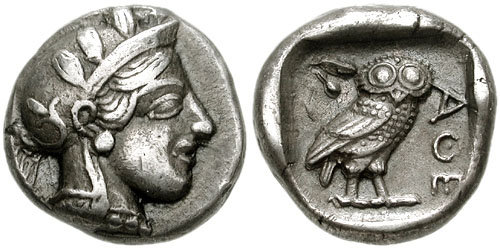
Ancient Greece · 454–404 BC
Athenian Silver Drachm
The mid-denomination owl — more affordable than the tetradrachm, equally iconic
Silver€150.00

Kingdom of Lydia · 560–546 BC
Croeseid Silver Half Stater
From the legendary King Croesus — "as rich as Croesus" was no exaggeration
Silver€350.00

Carthage · 264–201 BC
Carthaginian Electrum Stater
The gold of Carthage — struck to fund Hannibal's war against Rome
Electrum€550.00
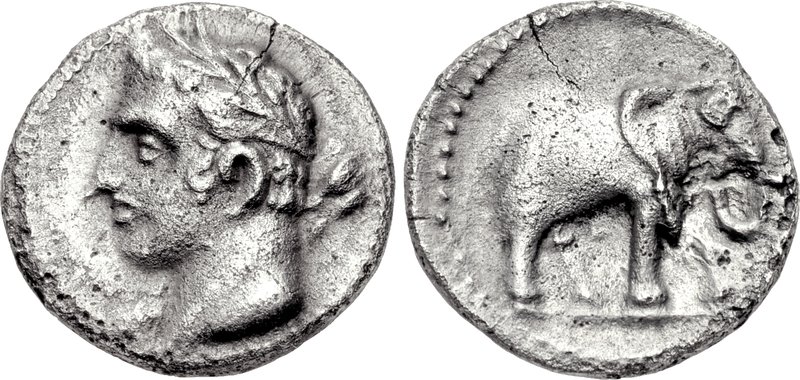
Carthage · 237–206 BC
Barcid Bronze — Iberian Mint
From Hannibal's Spain — possibly depicting the great general himself
Bronze€85.00

Umayyad Caliphate · 693–697 AD
Standing Caliph Bronze Fals
One of the only Islamic coins depicting a human figure
Bronze€150.00

Roman Empire · 14–37 AD
Tiberius "Tribute Penny" Denarius
The coin of the Gospels — "Render unto Caesar that which is Caesar's"
Silver€220.00

Roman Empire · 68–69 AD
Galba Silver Denarius
The first emperor of the Year of Four Emperors
Silver€450.00
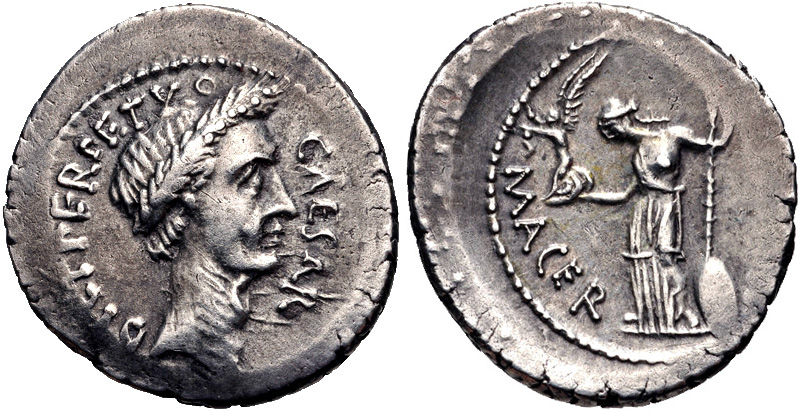
Roman Republic · 44 BC
Julius Caesar Lifetime Denarius
Portrait of the dictator who ended the Roman Republic
Silver€850.00
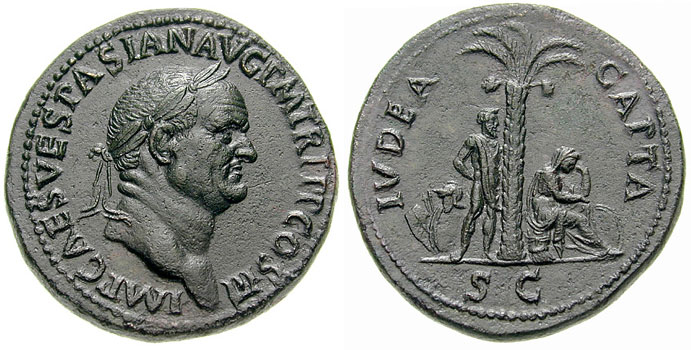
Roman Empire · 69–79 AD
Vespasian Silver Denarius
The soldier-emperor who restored order and built the Colosseum
Silver€120.00
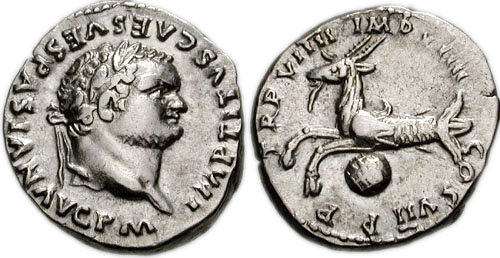
Roman Empire · 79–81 AD
Titus Silver Denarius
The "delight of mankind" who opened the Colosseum
Silver€180.00

Ancient Greece · 454–404 BC
Athenian Silver Obol
The smallest denomination of Athenian democracy — a day's pay for a juror
Silver€65.00

Ptolemaic Egypt · 283–246 BC
Ptolemy II Silver Tetradrachm
The Hellenistic king who built the Great Library of Alexandria
Silver€220.00

Aegina · 550–480 BC
Aegina Sea Turtle Stater
The first silver coinage of mainland Greece — Aegina's maritime badge
Silver€280.00

Byzantine Empire · 913–959 AD
Constantine VII Gold Solidus
The "dollar of the Middle Ages" — trusted from Constantinople to China
Gold€850.00

Roman Empire · 69 AD
Vitellius Silver Denarius
The gluttonous emperor dragged through the streets of Rome
Silver€380.00
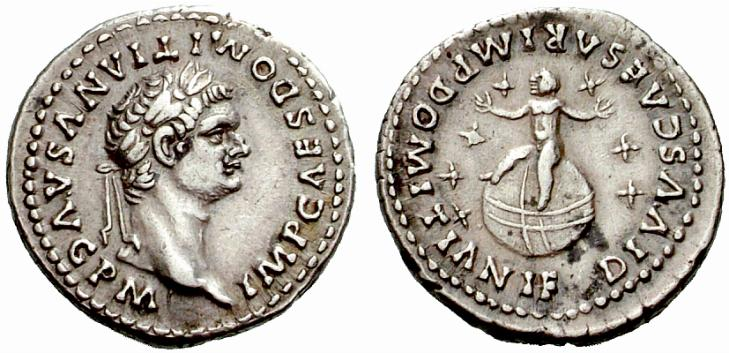
Roman Empire · 81–96 AD
Domitian Silver Denarius
The last of the Twelve Caesars — tyrant or efficient administrator?
Silver€85.00

Seleucid Empire · 138–129 BC
Antiochus VII Silver Tetradrachm
The last great Seleucid king who briefly restored the empire
Silver€160.00
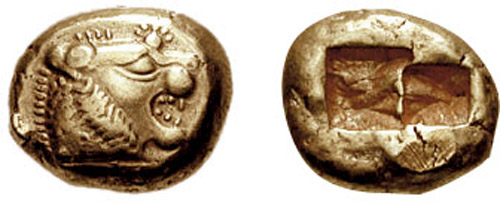
Ionia / Lydia · 650–600 BC
Ionian Electrum 1/48 Stater
One of the very first coins ever made — the dawn of money itself
Electrum€120.00

Byzantine Empire · 969–1030 AD
Anonymous Christ Follis
The face of Christ on a coin — Byzantine devotion in bronze
Bronze€35.00

Spanish Empire · 1759–1788
Carlos III Two Reales
A coin from the enlightened king who modernized Spain
Silver€85.00

Ancient Greece · 454–404 BC
Athenian Owl Tetradrachm
The iconic owl of Athens — the coin that funded democracy
Silver€450.00

Spanish Empire · 1556–1598
Philip II Eight Reales
The famous "piece of eight" — the first truly global currency
Silver€320.00

Roman Empire · 54–68 AD
Nero Bronze As
The emperor who fiddled while Rome burned — history remembers, the coin endures
Bronze€75.00

Roman Empire · 161–180 AD
Marcus Aurelius Sestertius
The philosopher on the throne — a bronze testament to Stoic wisdom
Bronze€145.00
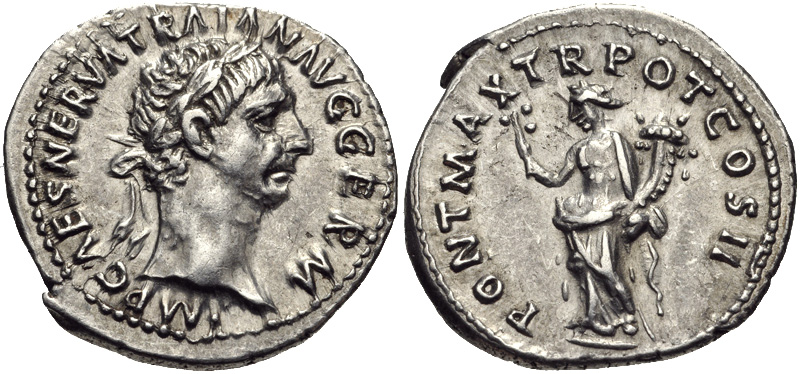
Roman Empire · 98–117 AD
Trajan Silver Denarius
The optimus princeps — Rome at its greatest territorial extent
Silver€125.00

Ancient Greece · 336–323 BC
Alexander the Great Silver Drachm
Struck during the campaigns that changed the ancient world forever
Silver€195.00

Roman Empire · 117–138 AD
Hadrian Silver Denarius
Portrait of the traveling emperor who walked every corner of his empire
Silver€95.00

Sold
Roman Empire · 27 BC – 14 AD
Augustus Silver Denarius
The first emperor of Rome — a portrait of the man who ended the Republic
Silver€280.00